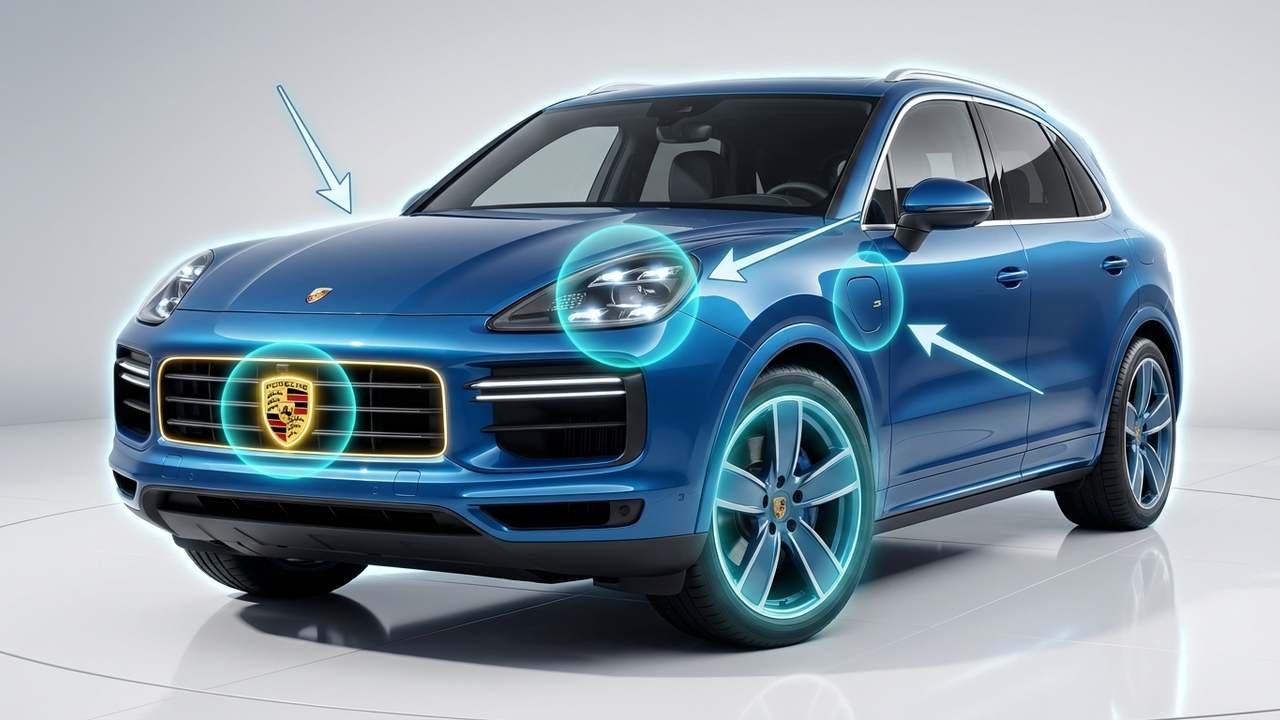
The 2026 Porsche Cayenne S Electric arrives as a statement: a high-performance, electrically powered SUV that aims to blend Porsche’s sports car DNA with the daily demands of American drivers. For buyers in the USA, this model pushes the brand further into the EV market while promising the practicality and luxury expected from a Cayenne. It’s built to be quick off the line, comfortable on long trips, and competitive against premium electric SUVs from both legacy and new automakers.
2026 Porsche Cayenne S Electric Revealed for USA Buyers: What to Expect Under the Hood
The headline number that’s grabbing attention is 657 horsepower, which signals Porsche’s intent to deliver a true performance SUV, not just an electrified badge. That power comes from a dual-motor all-wheel-drive setup that balances instant electric torque with sophisticated Porsche chassis tuning. Expect the drive experience to emphasize sharp steering, responsive braking, and multiple drive modes that let you tune the Cayenne’s personality for efficiency or thrill.
Battery and charging technologies are central to modern EV ownership in the United States, and the 2026 Porsche Cayenne S Electric is designed to be competitive. Porsche is offering a large-capacity battery pack with fast DC charging capability; real-world charging speeds and EPA-rated range will vary by wheel size, payload, and driving conditions, but an EPA combined range in the low 300-mile neighborhood is a reasonable estimate for many buyers. Rapid charging capability will be a must-have for cross-country drivers, and Porsche’s charging partners and compatibility with CCS fast-charger networks aim to keep long trips practical.
2026 Porsche Cayenne S Electric Revealed for USA Buyers: Performance Figures and Driving Feel
Porsche aims to keep the Cayenne’s sporty reputation alive. The 657-hp output should deliver sub-4-second 0–60 mph times in sportier trims, making it one of the faster SUVs on the market. Torque vectoring, adaptive air suspension, and optional rear-wheel steering are expected to give the Cayenne S Electric handling prowess that many competitors find difficult to match.
For American drivers who value both speed and comfort, the Cayenne’s chassis calibration will matter more than raw numbers. Porsche’s engineering team usually softens things for long-distance comfort without sacrificing cornering ability, which is ideal for a cross-country family trip or a weekend canyon run.
2026 Porsche Cayenne S Electric Revealed for USA Buyers: Real-Life Use Cases in the United States
How does the Cayenne S Electric fit into everyday American life? Consider three typical buyer profiles: the suburban family, the tech-savvy urban professional, and the performance-minded weekend driver. A suburban family in Ohio will appreciate cargo space, safety features, and a heated steering wheel for winter mornings. A tech-savvy urban professional in San Francisco focuses on connectivity, home charging setup, and access to workplace charging. A weekend driver in Colorado will look at range at altitude and towing capability for a small trailer or gear.
On a practical level, the Cayenne S Electric’s blend of utility and performance makes it a versatile choice. Big trunk space and fold-flat rear seats support furniture runs and sports gear. Firm but compliant suspension settings ensure bumpy American roads and long drives on I-95 or I-15 feel manageable.
2026 Porsche Cayenne S Electric Revealed for USA Buyers: Charging, Range, and Road-Trip Planning
Range anxiety is a common concern among U.S. buyers. The Cayenne S Electric addresses this with a combination of battery capacity and efficiency-focused driving modes. Expect an EPA estimate that will vary by trim, but planning around 250–320 miles for mixed driving is realistic for many owners. That range supports most daily needs and several hundred miles of interstate driving with strategically placed DC fast-charging stops.
For road trips, a smart plan includes knowing CCS fast-charger locations along your route, taking advantage of higher charging speeds during brief stops, and preconditioning the battery before arrival to speed up charging. In practical terms, drivers in Texas traveling between Austin and Houston, or families driving from Los Angeles to San Diego, will find the Cayenne S Electric capable and easier to manage than earlier EVs thanks to faster charging and intelligent range management systems.
2026 Porsche Cayenne S Electric Revealed for USA Buyers: Pricing, Incentives, and Ownership Costs
Pricing for premium electric SUVs is always a topic of interest for U.S. buyers. The 2026 Porsche Cayenne S Electric is expected to start in the low six figures, with a base MSRP that reflects its performance hardware and luxury appointments. As with most Porsches, options significantly increase the final ticket price when you add premium paint, performance packages, and advanced driver-assistance systems.
Federal and state incentives matter a lot in the United States. Buyers should check current federal tax credit eligibility and state rebates or incentives, which vary widely by state and change over time. For example, California and New York often provide additional incentives or HOV lane access that can materially affect the effective cost of ownership. Also consider utility company rebates for home charger installation, which many buyers can combine with tax or state incentives.
2026 Porsche Cayenne S Electric Revealed for USA Buyers: Leasing vs Buying and Long-Term Value
When deciding between leasing and buying, think about total miles, depreciation, and technological obsolescence. Leasing can be attractive if you expect to upgrade in three years to a model with more range or features. Buying can be better for drivers with high annual mileage or those who prioritize long-term ownership and potential resale value.
Residual values for Porsche SUVs historically hold up well, and electrification may alter depreciation trends. Porsche’s brand cachet and strong demand in the used market for premium performance EVs should help residual values, but buyers should still run numbers on insurance, maintenance plans, and battery warranty coverage when comparing ownership scenarios.
सम्बंधित ख़बरें
2026 Porsche Cayenne S Electric Revealed for USA Buyers: Practical Buying Tips for U.S. Shoppers
Buying a high-end electric SUV requires specific planning. First, arrange a home charging solution. A Level 2 charger installation is one of the most practical upgrades you can make — it reduces range anxiety and simplifies daily life. Second, test drive multiple configurations if possible; wheel size and optional performance packages change ride comfort and range significantly.
Third, inspect warranty and service details for battery and drivetrain coverage. Ask about certified pre-owned plans if you’re looking at slightly used models down the line. Fourth, consider timing purchases around model-year changes and dealer incentives — sometimes the best deals arise when dealers make room for newer inventory.
- Check federal and state EV incentives and eligibility requirements.
- Budget for Level 2 charger installation and consider smart charging features.
- Compare insurance quotes for a high-performance EV; premiums can differ from combustion models.
- Think about lease deals if you want to upgrade technology frequently.
2026 Porsche Cayenne S Electric Revealed for USA Buyers: How It Compares to Competitors
Comparing the Cayenne S Electric to other luxury electric SUVs helps buyers narrow choices. The Tesla Model X offers distinctive range and Supercharger access, while the BMW iX and Mercedes-Benz EQE SUV are known for comfort and tech. Audi’s e-tron GT and the Porsche Taycan share performance lineage but are lower-riding alternatives. New entrants like Rivian and Lucid bring innovation in utility and range respectively, but Porsche’s brand heritage and driving dynamics set the Cayenne apart for enthusiasts.
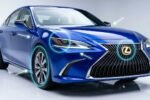
For many U.S. buyers, the Cayenne’s advantage is a blend of Porsche handling, usable cargo capacity, and a premium ecosystem. If you prioritize pure range or the widest fast-charger compatibility, Tesla’s network remains compelling. If cabin tech and autonomous driving aids are your priority, examine feature lists closely. Ultimately, the Cayenne S Electric aims to be the performance-minded choice in this segment.
2026 Porsche Cayenne S Electric Revealed for USA Buyers: Interior, Tech, and Comfort Considerations
Porsche interiors are typically driver-focused, with premium materials and supportive seats. Expect an intuitive infotainment system with smartphone integration, advanced driver-assistance features, and customizable displays. Rear-seat comfort and cargo practicality make the Cayenne useful for family duties and daily errands, while optional luxury packages add heated and ventilated seats, premium audio, and bespoke trim options.
Connectivity for U.S. drivers includes navigation optimized for EV trips, over-the-air updates, and integration with charging apps. These technologies make ownership smoother for commuters in congested cities and for drivers planning cross-state journeys.
2026 Porsche Cayenne S Electric Revealed for USA Buyers: Final Buying Checklist and Next Steps
Before committing to a purchase, U.S. buyers should run a checklist: confirm expected EPA range for your chosen trim, compare dealer quotes including options, check current federal and state incentives, and plan your home charger installation timeline. Consider scheduling a test drive to evaluate ride, seating position, and day-to-day usability. Ask the dealer about software update policies and battery warranty specifics so there are no surprises down the road.

Practical steps to move forward include securing financing pre-approval to understand monthly payments, looking into lease alternatives, and joining owner forums to hear real-world experiences from early adopters. These small efforts lead to a smoother buying experience and more confident ownership once the vehicle arrives.
2026 Porsche Cayenne S Electric Revealed for USA Buyers: Conclusion and Call to Action
The 2026 Porsche Cayenne S Electric revealed for USA buyers is a compelling entry in the premium electric SUV market. Combining roughly 657 horsepower, Porsche’s driving dynamics, and a suite of comfort and tech features, it’s tailored for American drivers who want performance without sacrificing practicality. Prospective buyers should weigh range expectations, charging access, and total cost of ownership, while taking advantage of incentives and preparing a home charging plan.
If you’re seriously considering this model, start by booking a test drive, comparing trim and option packages, and checking incentive eligibility in your state. A little homework on charging infrastructure and warranty coverage will pay off in the long run. The Cayenne S Electric is poised to be a strong choice for U.S. buyers seeking a premium electric SUV with genuine Porsche character.