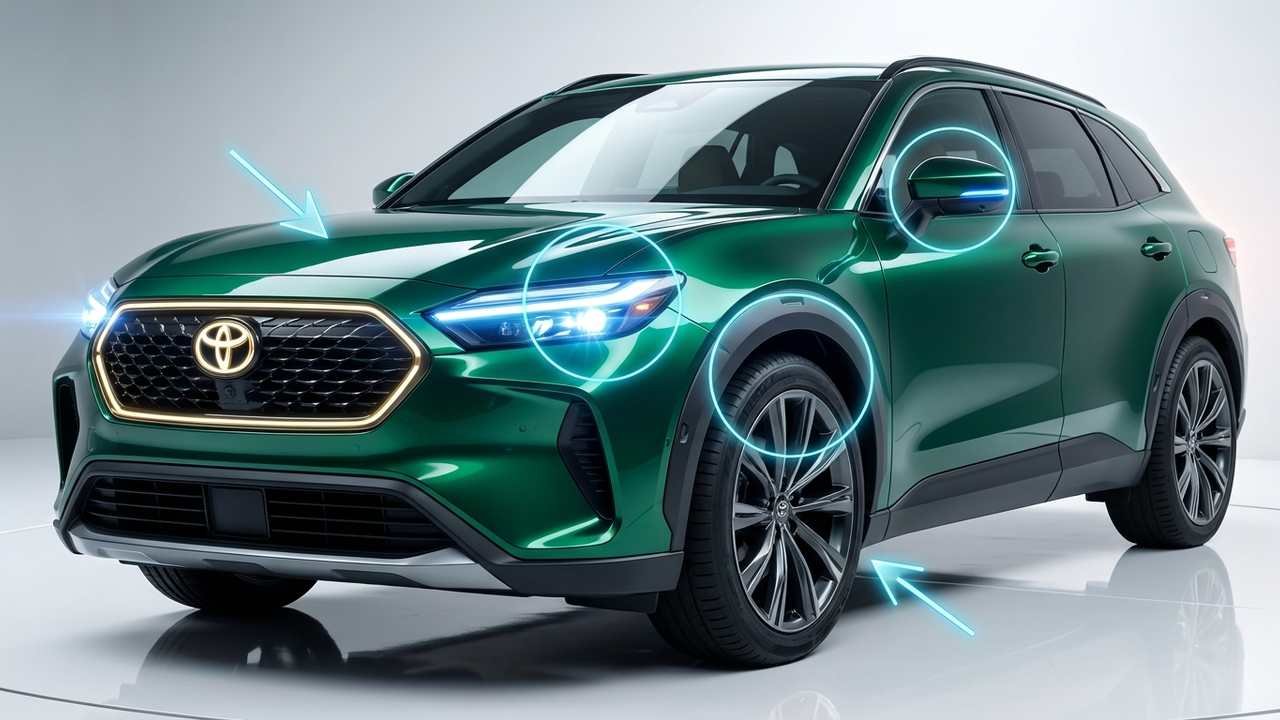
The arrival of a true electric wagon has many American drivers paying attention, and the 2026 Toyota bZ Woodland Unveiled in the USA adds a fresh, practical option to the EV market. This newcomer blends wagon-like cargo flexibility with Toyota’s reputation for reliability, aiming squarely at buyers who want an EV that can handle weekend gear, daily errands, and longer road trips without sacrificing comfort.
2026 Toyota bZ Woodland Unveiled in the USA: What You Need to Know
When manufacturers broaden their electric portfolios, mainstream U.S. shoppers expect clear advantages: real-world range, practical space, and sensible pricing. The 2026 Toyota bZ Woodland Unveiled in the USA promises to deliver a combination of those traits, with a focus on versatility and an outdoors-friendly orientation that differentiates it from many crossover-styled EVs on the road today.
Toyota has emphasized the Woodland’s wagon heritage, pairing a lower roofline and extended cargo area with modern EV packaging. For buyers in states from California to Colorado, the Woodland appears designed to be both an everyday commuter and a weekend adventurer — a selling point that will matter in markets where outdoor recreation drives vehicle choice.
2026 Toyota bZ Woodland Unveiled in the USA — Exterior Design and Wagon Practicality
One of the first things reviewers will note about the 2026 Toyota bZ Woodland Unveiled in the USA is how the silhouette differs from compact SUVs. The longer roofline and squared-off rear offer meaningful cargo volume advantages compared with hatchback-style stances, translating to easier loading for bikes, coolers, and outdoor gear.
Practical touches count in everyday use: roof-rail options, integrated cargo tie-downs, and a low load floor make the Woodland feel intentionally built for active families. While specifics such as ground clearance and wheel sizes will vary by trim, Toyota’s approach aims to balance on-road comfort with light-duty off-pavement capability suitable for dirt roads and trailheads.
2026 Toyota bZ Woodland Unveiled in the USA — Interior Comfort, Cargo and Tech
Inside, the 2026 Toyota bZ Woodland Unveiled in the USA targets a blend of comfort and functionality. Expect supportive seats, usable rear legroom, and a cargo area tailored to real-world use rather than showroom numbers. Short trips and long drives should both feel comfortable, thanks to thoughtful ergonomics and cabin layout.
Technology in the Woodland prioritizes essential EV features: a driver information cluster, a central infotainment screen with smartphone integration, and driver-assist systems. For families and regular travelers, cabin storage solutions and modular cargo options — like removable cargo floor panels or optional storage organizers — will be especially useful.
2026 Toyota bZ Woodland Unveiled in the USA: Powertrain, Range and Charging Realities
Range and charging are top priorities for American EV buyers evaluating the 2026 Toyota bZ Woodland Unveiled in the USA. Toyota has positioned the Woodland to compete with mainstream electric crossovers, so expectations include a competitive EPA range estimate in the ballpark of everyday commuters and weekend travelers alike.
Real-world range will vary with conditions like temperature, speed, and loaded weight. Buyers should look for EPA ratings when they become available, but it’s helpful to plan around conservative trip planning: expect highway speeds and cold weather to reduce range compared with city driving. For many buyers, a practical working range is more important than headline numbers.
Charging options will include Level 1 (120V) trickle charging for emergencies, Level 2 (240V) for routine home charging, and DC fast charging for longer road trips. In the U.S., public DC fast charging typically uses CCS connectors; prospective Woodland buyers should verify charging compatibility with their local networks and check whether Toyota supports plug-and-play apps for payment and route planning.
2026 Toyota bZ Woodland Unveiled in the USA — AWD, Performance and Towing Considerations
Although Toyota’s official performance specifications will clarify the details, expect the Woodland to offer at least one all-wheel-drive variant. AWD systems in electric vehicles often use a dual-motor layout that provides both traction and additional acceleration, which suits buyers in snowy or rural regions where grip matters.
For drivers who plan to tow bikes, small trailers, or recreational equipment, check Toyota’s published towing rating for the Woodland closely. Electric vehicles can offer strong low-end torque, but towing reduces range significantly. Practical advice: factor in payload and towing scenarios when estimating real-world usability on trips.
2026 Toyota bZ Woodland Unveiled in the USA: Pricing, Incentives and Buying Tips for US Shoppers
Pricing will be a decisive factor for many Americans considering the 2026 Toyota bZ Woodland Unveiled in the USA. Toyota will likely position the Woodland competitively against the likes of the Hyundai Ioniq 5, Kia EV6, and Volkswagen ID.4 while leaning on its reputation for durability. Expect multiple trim levels with a range of standard and optional equipment.
Federal and state incentives can materially affect the effective cost of an EV, but rules change frequently. Prospective buyers should verify current federal tax credits, state rebates, and utility incentives. Key considerations include final assembly location, MSRP thresholds, and battery sourcing requirements under U.S. regulations — all of which can influence eligibility.
सम्बंधित ख़बरें
Practical buying tips for U.S. shoppers include:

- Check current federal EV incentives and your state’s rebates before negotiating price.
- Factor in home charging installation costs and available utility time-of-use rates.
- Ask about Toyota’s battery warranty, battery replacement programs, and roadside assistance coverage for EVs.
- Compare total cost of ownership — insurance, maintenance, and expected energy costs — not just sticker price.
- Reserve a test drive and, if possible, a day-long loan to assess real-world range with your typical commute and cargo load.
2026 Toyota bZ Woodland Unveiled in the USA — How to Compare with Rivals and What to Watch
The Woodland enters a busy segment where buyers often compare range, charging speed, interior space, and value. When evaluating the 2026 Toyota bZ Woodland Unveiled in the USA against rivals, consider these practical comparison points: actual cargo measurements, rear-seat comfort for taller passengers, the breadth of driver-assistance tech, and available dealer support in your region.
Real-life examples help. A family in Oregon who regularly hauls camping gear will prioritize cargo volume, roof-rail durability, and reliable AWD for muddy camp roads. An urban commuter in Boston will focus more on efficient charging, winter range retention, and compact exterior dimensions for tight parking. Each buyer’s priorities will shape which rival vehicle makes the most sense.
Don’t overlook resale expectations and service networks. Toyota’s widespread dealer footprint can simplify long-term service compared with newer EV-only brands, but confirm your local dealer’s experience with EV maintenance and software updates.
2026 Toyota bZ Woodland Unveiled in the USA: Real-World Ownership Insights and Use Cases
Practical ownership goes beyond brochures. Consider the example of a weekend warrior in Colorado: the Woodland’s wagon-inspired layout could allow the owner to load mountain bikes inside or secure gear under a low cargo floor, reducing the need for rooftop carriers and preserving aerodynamics on long drives.
Fleet buyers and lifestyle-oriented households will find the Woodland appealing for different reasons. A small business owner who needs a reliable city vehicle with occasional longer deliveries benefits from the Woodland’s electric efficiency and accessible cargo area. Toyota’s dealers may also offer fleet-oriented incentives that individual buyers should not ignore.

For those who plan long road trips, mapping out DC fast charging locations and realistic charging stops is critical. Tools such as charging network apps and route planners will help owners of the 2026 Toyota bZ Woodland Unveiled in the USA estimate travel time including charging. Also plan for seasonal variations: battery performance tends to drop in cold weather, so winter trip planning should include buffer margins for range.
2026 Toyota bZ Woodland Unveiled in the USA: Final Thoughts and Actionable Advice
The arrival of the 2026 Toyota bZ Woodland Unveiled in the USA signals a thoughtful approach to bringing wagon practicality to an electric powertrain. For American buyers who value usable cargo space, sensible design, and Toyota’s dealer network, the Woodland could be a compelling option in the expanding EV landscape.
Actionable next steps for interested shoppers:
- Review official EPA range and charging specs as soon as Toyota releases them to avoid relying on early estimates.
- Calculate total cost of ownership including expected charging costs, insurance, and maintenance compared to gasoline alternatives.
- Investigate federal, state, and local incentives; consult Toyota dealers and state websites for the latest eligibility rules.
- Arrange a test drive and try to replicate typical cargo loads to evaluate daily usability and comfort.
- Plan for home charging: get quotes for Level 2 installation and check for available utility rebates.
The best approach is a mix of data and hands-on evaluation. Balance headline specs with real-world testing and conversations with local dealers to make sure the Woodland fits your lifestyle and driving patterns.
2026 Toyota bZ Woodland Unveiled in the USA: Summary and What to Do Next
To summarize, the 2026 Toyota bZ Woodland Unveiled in the USA brings wagon-style practicality to the electric vehicle market with an emphasis on versatility and usability. Its combination of cargo-friendly proportions, Toyota’s expected durability, and EV-specific features make it worth serious consideration for buyers who need both space and efficiency.
Final advice: track official EPA and Toyota announcements, factor incentives and real-world range into your budget, and schedule a test drive that mirrors your daily routine. If you value a flexible cargo area, predictable dealer service, and a vehicle that doubles as both a commuter and weekend companion, the Woodland could be the EV that finally gives American wagon lovers what they’ve been waiting for.